



- Prep the essentials: tires, brakes, traction systems, and battery before climbing into colder elevations.
- Top off winter-ready fluids and pack safety gear (warmth, tools, visibility) for high-elevation conditions.
- Leverage Chevy driver-assistance features and book winter service at Victorville Chevrolet for peace of mind.
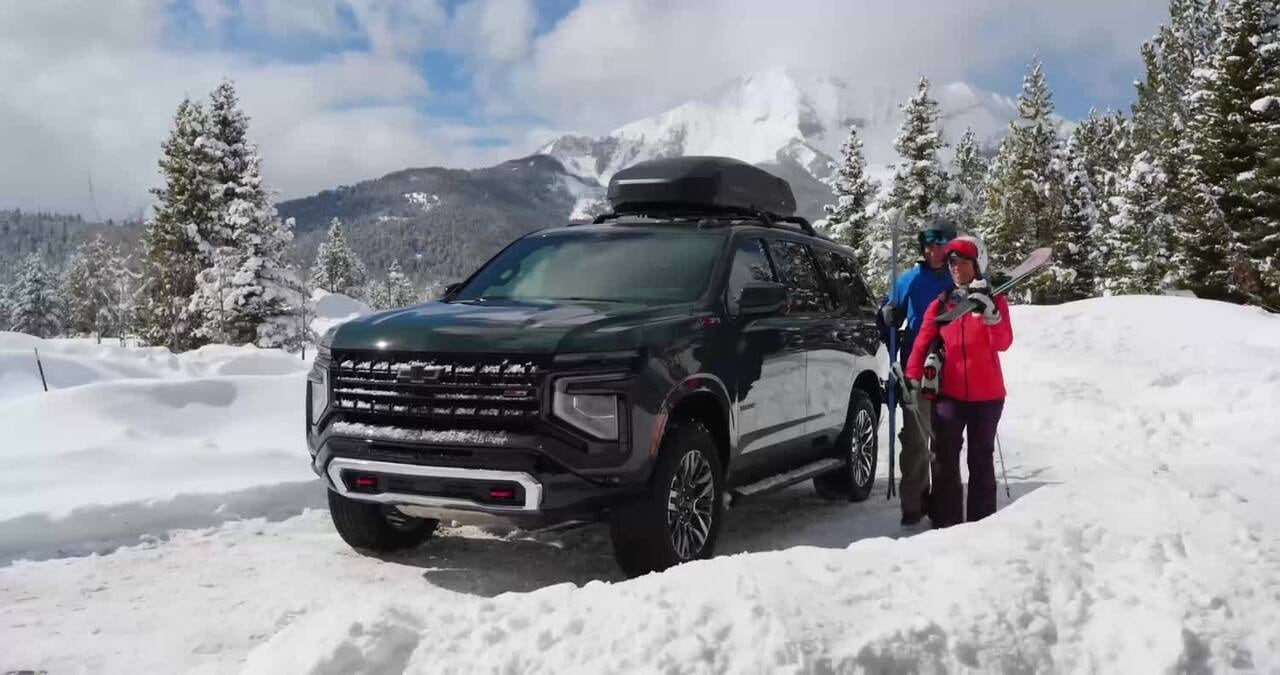
Winter hits differently once you leave Victorville's dry roads and start climbing toward Big Bear or Lake Arrowhead. The temperatures drop fast, the grades get steeper, and suddenly, your usual rhythm behind the wheel doesn't feel the same. That's why getting your Chevy ready before those winter trips matters. You want your vehicle to be well-equipped to handle the rigors of mountain driving, including the colder air and shifting road surfaces.
Luckily, prepping your car for snowy mountain roads doesn't have to be complicated. With these simple tips, you'll ensure your Chevy is more than ready for the challenge.
Check Tires, Brakes, and Traction Control
Mountain roads ask a lot more from your Chevy than the flat stretches around Victorville. Before heading up, make sure your tires, brakes, and traction systems are ready for real winter conditions.
Tires
Once you start climbing toward higher elevations, conditions change quickly. Your tires feel that first. Cold weather drops air pressure, which means less grip and slower steering response. That's why it's crucial to have the proper tire pressure before setting out on your mountain excursions.
You'll want to look at tread depth, too. When those grooves get shallow, the tire simply can't push water or light snow out of the way as well. The NHTSA cites the 2/32-inch minimum, but it is also recommended that you replace them sooner if you're heading into winter terrain.
And if you know you'll hit actual snow or compacted ice, winter-rated tires genuinely make a difference. They're built with softer rubber and deeper patterns, giving you more bite on those colder surfaces.
Brakes
Your brakes take a beating on mountain roads. Long descents, tighter curves, and colder pavement all add pressure. If your pedal feels soft or you hear any grinding, it's best to address it before you leave town. NHTSA also notes that ABS works best with steady, firm pressure instead of pumping. You'll want predictable braking when the temperature drops and the pavement starts to shine a little too much.
Traction Control
Most Chevys come with traction control and electronic stability control. These systems step in when a wheel slips or the vehicle begins to drift from where you're steering. They cut engine power or apply individual brakes to help you keep the line. Make sure the systems are functioning (no warning lights on the dash). If you're descending mountain grades, they'll help you more than you think.
Top Off Fluids & Inspect the Battery
Before you head up the mountain roads, check your car's fluids and battery, as these are often overlooked but can cause big trouble. Cold weather thickens engine oil and slows down coolant, which means your engine is working harder than you think. You should make sure your oil, antifreeze/coolant, and windshield-washer fluid (especially winter-grade) are topped up and appropriate for low temperatures.
When temperatures drop, the battery loses a lot of its starting power. If your battery is 3 to 5 years old or the connections look corroded, it's risky. So take a quick look beneath the hood, confirm fluid levels, check the battery age, and inspect the terminals. Do it now in Victorville, so when you're climbing those icy grades later, you're not dealing with a no-start or overheated engine.
Pack Winter Safety Gear for Higher Elevations
When you're heading up into the mountains, your vehicle needs more than just solid tires and brakes. The last thing you want is to be stuck with an emergency in the middle of a snowstorm at such high elevations. So, make sure you're carrying the appropriate safety gear.
First, think warmth and visibility. Keep blankets or a sleeping bag, extra warm clothes (hat, gloves, boots), and a flashlight with extra batteries. If you break down and wait it out, those items make a difference.
Next, you'll want tools and traction aids. Pack an ice scraper/snow brush, shovel, and something like sand or kitty litter to help free your tires from slush or light snow.
Don't forget emergency backup gear, like jumper cables, reflective warning triangles/flares, water, non-perishable snacks, and a phone charger. These are crucial when you're on remote mountain roads with limited cell signal.
Lastly, store all this kit in the vehicle, not in the trunk, as it might freeze shut or become inaccessible. That way, regardless of where you stop, you've got your essentials.
With these items aboard, you give yourself a far better chance of staying safe, comfortable, and in control.
Use Chevy Driver Assistance Features for Added Confidence
When you're climbing into mountain roads, you'll appreciate every system that has your back. With a Chevy, take advantage of features like Chevrolet Snow/Ice Mode (if equipped). It changes throttle response, shifts patterns, and torque distribution to help maintain traction on slick surfaces.
Then there are the standard driver-assistance systems like automatic emergency braking (AEB), forward collision alert, and lane-keep assist. These are helpful on highways, but also add another layer of protection when you hit icy curves or sudden stops.
Don't forget traction control and stability systems. They continuously monitor wheel slip and yaw, intervening when needed to keep you in control on loose or frozen road surfaces.
But here's the key, these systems help, they don't replace your judgement. Make sure sensors and cameras stay clear of snow, ice, or road spray so the tech works properly. Learn the sounds and lights of alerts ahead of time, so nothing catches you off guard.
When you're loaded up with gear, towing, or climbing grades after Victorville, these features raise your confidence. Just make sure you know what they do, and keep your hands on the wheel and eyes on the road.
Stay Safe with Winter Service at Victorville Chevrolet
Before winter really settles into the mountains above Victorville, it's a good idea to give your Chevy some attention. A quick service visit can catch issues that tend to sneak up on people this time of year, like a battery that's slowing down or fluids that don't hold up in the cold. You get in, get things checked, and walk out knowing your vehicle is set for those climbs. If you want that, book a winter service appointment at Victoville Chevrolet. It's an easy way to keep your Chevy steady, especially if you're looking for reliable Chevy service for winter.
Frequently Asked Questions
Do I need winter tires for trips to Big Bear or Lake Arrowhead?
If you expect snow or ice, winter-rated tires offer better cold-weather grip and braking than all-seasons. At a minimum, ensure adequate tread depth before heading into higher elevations.
How often should I check tire pressure in cold weather?
Follow the door-jamb PSI and recheck frequently—pressure typically drops about 1 PSI for every 10°F temperature decrease. Verify before you leave and again at higher elevations.
Which fluids should I top off for winter mountain driving?
Confirm correct oil grade, proper coolant/antifreeze mixture, and use winter-grade windshield washer fluid so it won’t freeze. Top off before your trip.
How can I avoid a dead battery in the cold?
Have batteries 3–5 years old tested, clean any corrosion on terminals, and ensure tight connections. Cold temperatures reduce available cranking power.
Helpful links: New Chevrolet inventory • Schedule service • Contact Victorville Chevrolet
Categories:
Service