



- Desert heat makes cooling system, rubber components, and A/C performance top inspection priorities.
- Highway miles can be gentler than city driving, but sustained speeds in extreme heat still stress engines and transmissions.
- Service records and a careful test drive help you spot expensive issues before you buy.
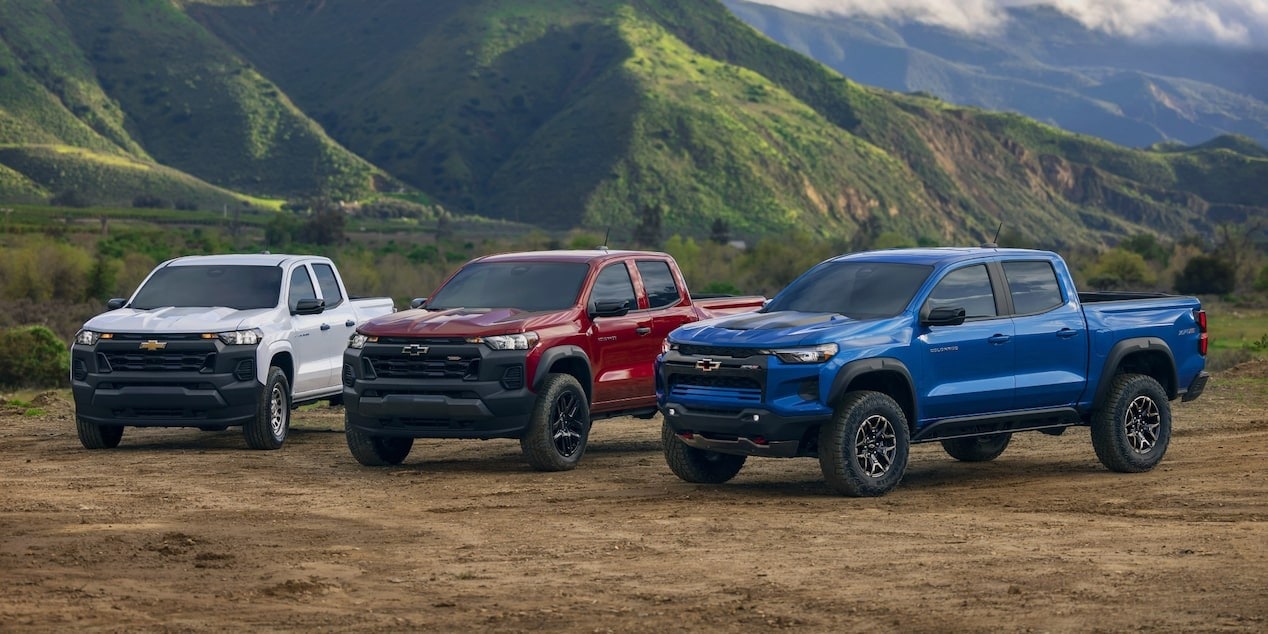
Used Truck Buying Tips: What to Check After Desert Heat and Highway Miles
Shopping for a used truck requires careful attention to detail, especially when that truck has spent time in desert conditions. At Victorville Chevrolet, we've serviced countless trucks exposed to High Desert heat and I-15 highway miles, giving us unique insight into what wears fastest and what you should inspect most carefully. Whether you're considering buying a used truck from a private seller or exploring our certified pre-owned inventory, understanding these inspection priorities will help you make a confident purchase decision.
Desert heat accelerates wear on cooling systems, interior materials, and rubber components, while sustained highway driving creates its own wear patterns on engines and transmissions. This guide walks you through the critical things to check when buying a used truck that's endured these conditions, helping you spot potential problems before they become expensive repairs.
Why Desert Heat and Highway Miles Matter When Buying a Used Truck
Desert environments create unique challenges for trucks that don't exist in more temperate climates. Sustained temperatures above 100°F accelerate coolant breakdown, cause hoses and seals to become brittle, and fade interior materials at alarming rates. UV exposure literally pulls moisture from leather and vinyl, causing cracks that can't be reversed. These aren't just cosmetic concerns but indicators of how the vehicle has been stressed throughout its life.
Highway miles tell a different story. A truck with 100,000 highway miles driven on I-15 between Southern California and Las Vegas experiences less stop-and-go wear than a city truck with half that mileage. Highway driving means fewer brake cycles, less transmission stress from constant shifting, and engines operating at steady temperatures. However, these same vehicles may show cooling system strain from sustained speeds in extreme heat, making the intersection of desert conditions and highway use a specific buying scenario worth understanding.
Cooling System Inspection Points for Desert-Driven Trucks
Radiator, Coolant, and Hoses
Your first inspection priority should focus on the radiator and cooling components. In High Desert conditions, radiator fins commonly become clogged with dust and debris, blocking airflow and reducing cooling efficiency. Look carefully for bent fins or heavy dust accumulation between the radiator and condenser. These issues aren't always visible from a casual glance; you may need to use a flashlight to inspect the radiator face properly.
Check coolant level and color carefully. Fresh coolant appears bright and clean, while contaminated coolant takes on a rusty brown or muddy appearance that signals internal corrosion. Desert heat accelerates coolant breakdown, so healthy-looking coolant becomes even more important in these trucks. The coolant should fall within the recommended range on the overflow tank, and there should be no visible leaks on the ground beneath the vehicle.
Inspect every coolant hose you can access, feeling for cracks, bulges, or soft spots that indicate heat damage. Desert exposure causes rubber to deteriorate faster than normal. A failed hose on the highway can leave you stranded with an overheated engine and potential head gasket damage.
Transmission Cooling System
Transmission health depends heavily on proper cooling, and desert-driven trucks push this system hard. Normal transmission operating temperature ranges from 175°F to 200°F, but desert driving can push temperatures higher, especially when towing or climbing grades. Check transmission fluid color and smell; it should appear bright red and have a slightly sweet odor. Dark or burnt-smelling fluid indicates overheating and accelerated wear.
Look for any signs of fluid leaks around the transmission pan and cooler lines. Even small leaks matter, as low fluid levels lead to overheating and expensive transmission repairs.
Engine and Transmission Health Indicators
Oil Condition and Quality
Pull the dipstick and examine the oil carefully. Healthy oil appears smooth, glossy, and somewhat transparent, regardless of its amber or darker color from use. Warning signs include sludgy deposits, grainy particles, or oil that seems too thick or opaque for its mileage. Any rotten-cheese smell indicates serious engine problems, suggesting poor maintenance or internal engine wear.
Performance Testing
Start the engine when it's cold and listen for unusual noises during startup. Once warm, watch for exhaust smoke, which indicates oil burning and worn piston rings or valve seals. Test drive the truck through various speeds, paying attention to how smoothly the transmission shifts. Grinding sounds, delayed engagement, or harsh shifts all point to transmission issues that will require expensive repairs.
Exterior, Interior, and A/C Wear Assessment
Sun Damage to Paint and Interior Components
UV exposure and heat create visible damage that helps you assess how the truck was stored and maintained. Walk around the vehicle looking for sun fade patterns, clear coat failure, or oxidation on painted surfaces. Mismatched paint or body panels suggest an accident history worth investigating further.
Inside the cabin, check all leather and vinyl surfaces for dryness and cracks. Heat literally pulls moisture from these materials, causing deterioration that worsens over time. Dashboard cracks or missing components indicate prolonged sun exposure without protection. Test every seat mechanism through its full range of motion, and verify that all switches and controls function properly. These inspection points reveal whether the previous owner took steps to protect the interior or simply let the sun do its damage.
Air Conditioning System Performance
In desert climates, A/C isn't a luxury feature but a critical safety component. Turn on the system and time how quickly it produces cold air. The compressor should engage immediately, and you should feel noticeably cold air within 30 seconds. Any delays, weak airflow, or warm air suggests compressor problems or refrigerant leaks that will require professional service.
Listen for unusual noises when the A/C runs, and check that all fan speeds work correctly. A failing A/C system becomes expensive to repair and makes the truck nearly unusable during summer months in the High Desert.
Undercarriage, Frame, and Brake Inspection
Get underneath the truck if possible, or at minimum, crouch down and look carefully at visible undercarriage components. Check for rust on the frame, bolts, and structural components. While desert trucks typically show less rust than vehicles from humid or snowy climates, corrosion still occurs, especially if the truck saw occasional beach trips or drove through areas with road salt.
Look for signs of suspension sagging or uneven tire wear patterns that indicate alignment or suspension problems. Inspect brake components for wear, keeping in mind that high temperatures affect braking performance. Check brake pad thickness if visible. During your test drive, verify that brakes respond smoothly without pulling, grinding, or vibration.
Electrical System, Battery, and Tire Condition
Battery Assessment
Extreme heat shortens battery life significantly, making battery inspection essential in desert-used trucks. Check terminals for corrosion and verify the battery is securely mounted. Ask when the battery was last replaced; desert batteries typically need replacement every three to four years rather than the five to six years possible in cooler climates.
Tire and Wheel Inspection
Tire inspection deserves special attention on things to look for when buying a used truck from hot climates. Heat causes accelerated wear, sidewall cracking, and increased blowout risk. Check tread depth across all tires, and carefully examine sidewalls for cracks, bubbles, or bulges. Inspect rims for cracks, bends, or rust trails. Don't forget the spare; verify it's present, properly inflated, and in usable condition, as spares also deteriorate when stored in heat.
|
Inspection Area |
Desert Climate Priority |
Temperate Climate Priority |
|
Cooling System |
Critical (radiator fins clogged with dust, coolant breakdown from sustained heat) |
Standard inspection |
|
A/C System |
Essential safety component (test thoroughly for quick cooling and compressor function) |
Standard comfort feature |
|
Interior Materials |
High priority (UV damage causes leather/vinyl cracking, dashboard deterioration) |
Lower priority |
|
Exterior Paint |
Check for sun fade, clear coat failure, oxidation |
Focus on rust/corrosion |
|
Tires |
Accelerated wear, sidewall cracking, blowout risk from heat |
Standard tread/wear check |
|
Battery |
Heat shortens lifespan (verify terminal condition and secure mounting) |
Cold-start capability focus |
|
Transmission Fluid |
Heat accelerates breakdown (check for dark/burnt fluid) |
Standard fluid check |
Vehicle History, Service Records, and Red Flags to Watch For
Request complete service records showing the truck's maintenance history. Desert conditions demand more frequent maintenance than standard schedules, particularly for oil changes, transmission servicing, coolant flushes, and filter replacements. Air and cabin filters clog faster with dust, requiring more frequent replacement. Gaps in maintenance records raise concerns about how seriously the previous owner took care of the vehicle.
Run a vehicle history report to check for accidents, title issues, or odometer discrepancies. Red flags include frequent ownership changes, salvage titles, or incomplete documentation. Be particularly wary of trucks showing accident history combined with desert wear; the combination suggests potential hidden damage that may surface later.
Watch for these specific red flags: mismatched body panels suggesting unreported repairs, excessive oil consumption requiring frequent top-offs between changes, fluid leaks of any kind, or suspension that appears worn beyond the vehicle's mileage. Any single red flag warrants further investigation. Multiple issues should make you walk away.
Find Your Next Used Truck at Victorville Chevrolet
When you explore our used trucks, you'll find vehicles that have undergone thorough pre-purchase inspections by our factory-certified technicians. We understand High Desert conditions because we've been serving this community for years, giving us specific knowledge about what these trucks endure and what maintenance they require.
Our dealership-backed used trucks come with documented service records, reducing the guesswork and risk that comes with private party purchases. Whether you're interested in a Silverado or another pickup truck from our inventory, our team can answer your questions about each vehicle's history and condition. We use genuine OEM parts in our reconditioning process, ensuring quality repairs that last.
Ready to find your next truck? Schedule a vehicle evaluation or visit us at 15425 Dos Palmas Road in Victorville. Our straightforward, no-pressure process means you can shop confidently, knowing you're getting the best used trucks available in the High Desert. Let our expertise in desert-driven vehicles guide you to a truck that meets your needs and budget without the worry of hidden problems or deferred maintenance.
Frequently Asked Questions
What cooling system issues are most common in desert-driven used trucks?
Dust-clogged radiator fins, brittle hoses and seals, and coolant that breaks down faster are common in sustained High Desert heat. Look for leaks, contamination, and airflow blockages.
How can you tell if a truck’s transmission has been overheated?
Check transmission fluid color and smell. Healthy fluid is typically bright red with a slightly sweet odor, while dark or burnt-smelling fluid can indicate overheating and accelerated wear.
Why is A/C performance an essential check when buying a used truck in the High Desert?
In extreme heat, reliable A/C is a safety need. You should feel noticeably cold air quickly, with immediate compressor engagement and strong airflow across all fan speeds.
Are highway miles better than city miles on a used truck?
Often, yes—steady-speed driving can mean fewer brake cycles and less stop-and-go stress. But in desert conditions, sustained high speeds can still strain cooling systems and driveline components.
Categories:
Pre-Owned Inventory