



- Chevy Safety Assist adds helpful backup for fatigue, glare, and surprise hazards common on High Desert highways.
- Adaptive cruise control and following-distance tools can make long stretches of I-15 feel less tiring while encouraging safer spacing.
- Comparing feature availability by model helps you pick the right Chevrolet for the routes you drive most often.
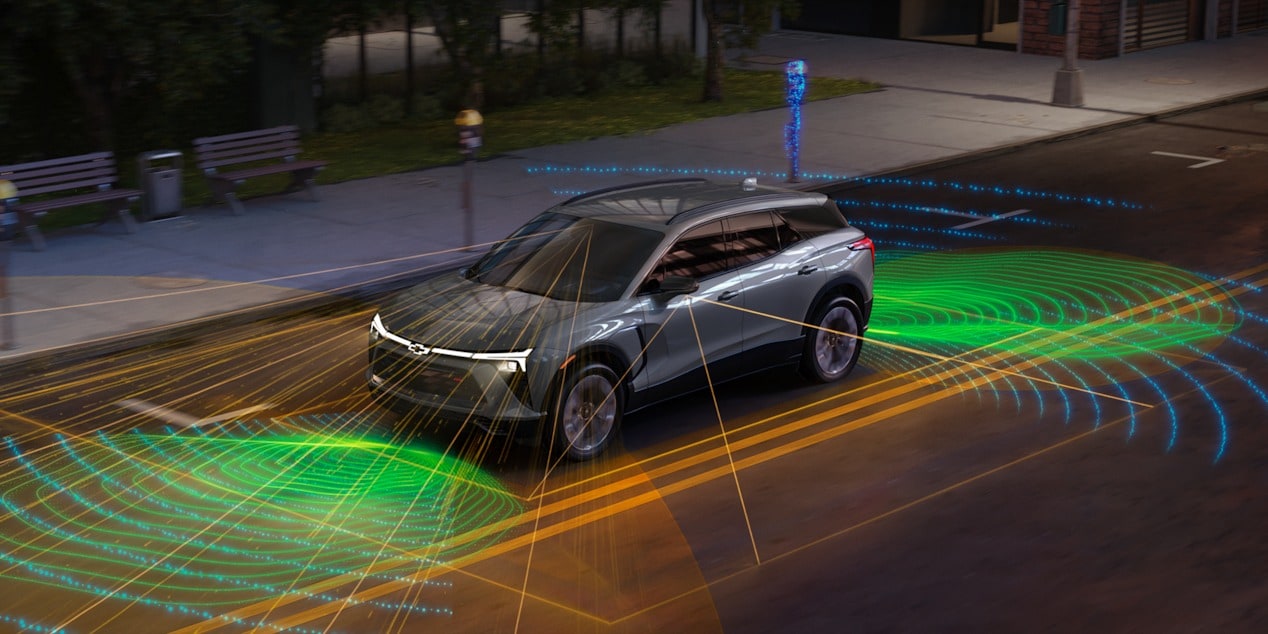
Navigating the High Desert's expansive highways requires more than just a reliable vehicle. From the long, hypnotic stretches of I-15 to the historic curves of Route 66, drivers in our region face unique challenges that demand advanced protection systems. At Victorville Chevrolet, we understand these conditions firsthand because we drive them every day.
Our customers regularly tackle 100-mile drives between towns, battle fierce desert winds, and navigate roads where wildlife crossings happen without warning. That's why we've made it our mission to help High Desert drivers understand which Chevrolet safety features directly address these specific challenges. The right safety technology doesn't just add convenience; it can prevent accidents when fatigue sets in or unexpected hazards appear on remote desert roads.
Why High Desert Highway Driving Demands Advanced Chevrolet Safety Features
The High Desert presents driving conditions that test both vehicles and drivers. Long distances between Victorville, Barstow, and points beyond mean extended periods behind the wheel, often in isolation. When the nearest rest stop sits 40 miles ahead and the landscape barely changes, driver fatigue becomes a real concern.
Desert heat intensifies these challenges. Even with air conditioning, the glare from relentless sun and the monotony of straight roads can dull alertness. Add unpredictable wind gusts that push vehicles across lanes, sparse lighting after dark, and the constant possibility of wildlife darting onto highways, and the need for advanced safety features becomes clear.
Every 2025 Chevrolet vehicle now comes standard with Chevy Safety Assist, a comprehensive bundle of six core technologies designed to supplement attentive driving. This standard equipment includes:
- Automatic emergency braking
- Forward collision alert
- Lane keep assist
- Following distance indicator
- Front pedestrian braking
- IntelliBeam automatic high beams
These Chevrolet safety features work together to provide multiple layers of protection during long highway drives where conditions can change rapidly.
Adaptive Cruise Control Reduces Fatigue on Long Interstate Drives
Driving from Victorville to Las Vegas means covering roughly 180 miles, much of it on I-15 through open desert. Maintaining constant pressure on the accelerator for hours creates physical fatigue that compounds mental tiredness. Adaptive cruise control fundamentally changes this experience for our customers.
This technology automatically adjusts your speed to maintain a safe following distance from vehicles ahead. Unlike traditional cruise control that holds one speed regardless of traffic, adaptive cruise accelerates and decelerates based on the flow around you. The system reduces the constant foot adjustments that cause leg fatigue and helps drivers maintain safer following distances naturally.
The Following Distance Indicator, part of Chevy Safety Assist, displays the gap time in seconds between your vehicle and the car ahead. This real-time feedback helps drivers recognize when they're following too closely, particularly when fatigue reduces spatial awareness.
How Adaptive Cruise Works on I-15 and Route 66
Adaptive cruise control uses radar sensors and camera systems to monitor traffic ahead. On I-15, where traffic patterns shift between sparse and congested as you approach the Cajon Pass, the system responds smoothly to these changes. When a slower vehicle moves into your lane, adaptive cruise gradually reduces speed. When the lane clears, it accelerates back to your set speed.
Route 66 presents different challenges with its curves and varying speed zones through small towns. Adaptive cruise handles these transitions while still requiring driver oversight for sharp turns and local traffic.
Lane Keep Assist and Lane Departure Warning for Steady Highway Travel
Desert winds regularly gust across High Desert highways, creating steady pressure that pushes vehicles toward lane edges. Combine these winds with the subtle drift that happens during monotonous drives, and lane departures become a genuine risk.
Lane Keep Assist, standard in Chevy Safety Assist, provides gentle steering corrections when your vehicle begins drifting without a turn signal activated. The system uses camera technology to track lane markings and detect unintended movement. Rather than waiting for you to notice the drift, Lane Keep Assist applies subtle steering input to guide the vehicle back toward the center of the lane.
Lane Departure Warning works alongside this system, delivering visual and tactile alerts when drift is detected. The Safety Alert Seat provides vibration warnings from the left, right, or both sides depending on which direction requires attention. This haptic feedback cuts through distractions more effectively than visual warnings alone.
These features don't replace attentive driving, but they provide critical backup during brief moments when focus shifts. On highways where the next exit might be 20 miles away, this assistance keeps drives safer.
Automatic Emergency Braking Protects Against Unexpected Road Hazards
We've heard countless stories from customers about close calls with desert wildlife. Coyotes, roadrunners, and occasional larger animals cross highways without warning, particularly at dawn and dusk. Debris from trucks, sudden tire fragments, and disabled vehicles also create hazards that appear faster than reaction time allows.
Automatic Emergency Braking (AEB), part of the standard Chevy Safety Assist package, continuously monitors the road ahead for potential collision threats. When the system detects an imminent crash and the driver hasn't responded, AEB automatically applies the brakes. This intervention happens in fractions of a second, potentially preventing the collision entirely or reducing impact severity.
The system addresses the reality that even attentive drivers need a few tenths of a second to recognize a threat, move their foot from accelerator to brake, and apply pressure. Those fractions matter enormously at highway speeds.
How Forward Collision Alert Works with Emergency Braking
Forward Collision Alert provides the first layer of protection by warning drivers about potential collisions before automatic braking engages. Using sensors to detect vehicles or obstacles ahead, the system issues visual and auditory alerts when closing speeds suggest insufficient stopping distance.
This early warning gives drivers the opportunity to brake themselves, maintaining control throughout the maneuver. If the alert goes unheeded and collision risk increases, Automatic Emergency Braking takes over. On High Desert highways where traffic can suddenly slow for construction zones or accidents, these Chevrolet safety features provide reassurance that backup protection exists.
Blind Spot Monitoring for Safe Lane Changes on Multi-Lane Highways
Multi-lane sections of I-15 require frequent lane changes to navigate around slower traffic or prepare for exits. Desert sun creates intense glare that can momentarily obscure vehicles in blind spots, while the flat terrain means approaching vehicles remain hidden until they're alongside your car.
Blind Spot Monitoring uses radar sensors to detect vehicles in adjacent lanes that might not be visible in side mirrors. When a vehicle enters the monitored zone, an indicator light appears in the corresponding side mirror. If you activate your turn signal while a vehicle occupies that blind spot, the system escalates to a warning, often including a Safety Alert Seat vibration on that side.
This feature prevents countless close calls for drivers navigating busy highway sections. The system extends awareness beyond what mirrors alone provide, particularly valuable when fatigue reduces the thoroughness of shoulder checks.
For Silverado 1500 drivers who frequently tow through the High Desert, available Trailer Side Blind Zone Alert extends monitoring to account for trailer length, providing protection for the entire rig during lane changes.
Driver Attention Monitoring and Awareness Tools for Remote Desert Roads
The most dangerous aspect of High Desert highway driving might be the subtle onset of fatigue. Long stretches between Victorville and Barstow look remarkably similar, creating highway hypnosis that dulls alertness without drivers recognizing the change. Remote locations mean limited options for rest stops, encouraging drivers to push through fatigue when they should pull over.
Detecting Driver Fatigue Before It Becomes Dangerous
Driver attention monitoring systems analyze steering patterns, lane position consistency, and other driving behaviors to identify signs of drowsiness or distraction. The technology recognizes the small corrections and drift patterns that indicate declining alertness well before fatigue becomes obvious to the driver.
When the system detects these patterns, it issues alerts recommending a break. A coffee cup icon appears on the instrument cluster, accompanied by auditory warnings. These reminders cut through the dangerous mindset of "just 20 more miles" that keeps fatigued drivers on the road.
We always recommend our customers respect these warnings. The few minutes spent pulling over at a rest area or gas station can prevent accidents that happen when fatigue finally overwhelms consciousness.
High-Beam Assist for Safe Nighttime Highway Driving
Desert highways at night present visibility challenges that differ significantly from urban driving. Sparse traffic means high beams can stay activated longer, but the occasional oncoming vehicle requires quick switches that drivers sometimes miss. Wildlife becomes more active after dark, making maximum visibility crucial.
IntelliBeam automatic high beam technology solves this by managing headlight adjustments automatically. The system activates at speeds above 25 mph, detecting oncoming traffic and vehicles ahead, then switching between high and low beams without driver input. This ensures optimal visibility whenever conditions allow while preventing the blinding glare that high beams create for other drivers.
On long nighttime drives through the High Desert, IntelliBeam eliminates the constant attention required for headlight management. Drivers maintain maximum visibility for wildlife and road hazards while the system handles the courteous switching that protects other motorists.
How Chevrolet Safety Features Compare Across Key Models
Understanding which Chevrolet safety features address High Desert challenges is the first step. The next is finding the right vehicle equipped with the protection systems that matter most for your typical drives. We maintain an extensive inventory of new Chevrolet vehicles, all featuring Chevy Safety Assist as standard equipment, with many offering additional advanced features.
Here's how safety technology compares across some of our most popular models:
|
Model |
Chevy Safety Assist Status |
Additional Available Features |
|
Standard on all 2025 trims |
Adaptive cruise control, blind spot monitoring, trailer side blind zone alert |
|
|
Standard on all 2025 trims |
Adaptive cruise control, intersection automatic emergency braking, Driver Confidence Package (optional on LT and Z71) |
|
|
Standard on all 2025 trims |
HD surround vision, rear park assist, enhanced automatic emergency braking |
|
|
Standard on all 2025 trims |
Adaptive cruise control, rear camera mirror, lane change alert with side blind zone alert |
|
|
Trailblazer |
Standard on all 2025 trims |
Adaptive cruise control, rear park assist, lane change alert, rear cross traffic alert |
|
Trax |
Standard on all 2025 trims |
Rear park assist, lane change alert with side blind zone alert, rear cross traffic alert |
|
Blazer |
Standard on all 2025 trims |
Adaptive cruise control, HD surround vision, lane change alert with side blind zone alert |
Experience Chevrolet Safety Technology at Victorville Chevrolet
We invite you to visit us at 15425 Dos Palmas Road to explore our current Chevrolet inventory and experience these safety features firsthand. Our team offers clear, hands-on demonstrations that show how each system operates in real-world driving scenarios, helping you identify the technologies that best support your High Desert driving habits.
These features are designed to enhance attentive driving, not replace it. They provide meaningful assistance during long highway stretches and changing desert conditions, while the responsibility for safe operation always remains with the driver.
Contact us to learn more or stop by Victorville Chevrolet, and we’ll help you select a Chevrolet model equipped with the safety technology that aligns with your everyday routes and long-distance travel needs.
Frequently Asked Questions
What is Chevy Safety Assist?
Chevy Safety Assist is a suite of driver-assistance technologies designed to support attentive driving with features like automatic emergency braking, forward collision alert, lane keep assist, and IntelliBeam automatic high beams. Feature operation and availability can vary by model, trim, and conditions.
Is adaptive cruise control standard on every 2025 Chevrolet?
Adaptive cruise control availability can vary by model and trim. If it’s a must-have for long I-15 drives, compare trims carefully and verify equipment on the specific vehicle you’re considering.
How can I keep driver-assistance and safety systems working their best?
Routine maintenance and proper calibration help many modern systems perform as intended. If you have questions or want an inspection before a long trip, you can schedule service online.
Where can I learn about payment and lease options before visiting?
If you want to explore budget and payment paths ahead of time, Victorville Chevrolet’s Finance Center is a helpful starting point for common financing questions and next steps.
Categories:
Technology