



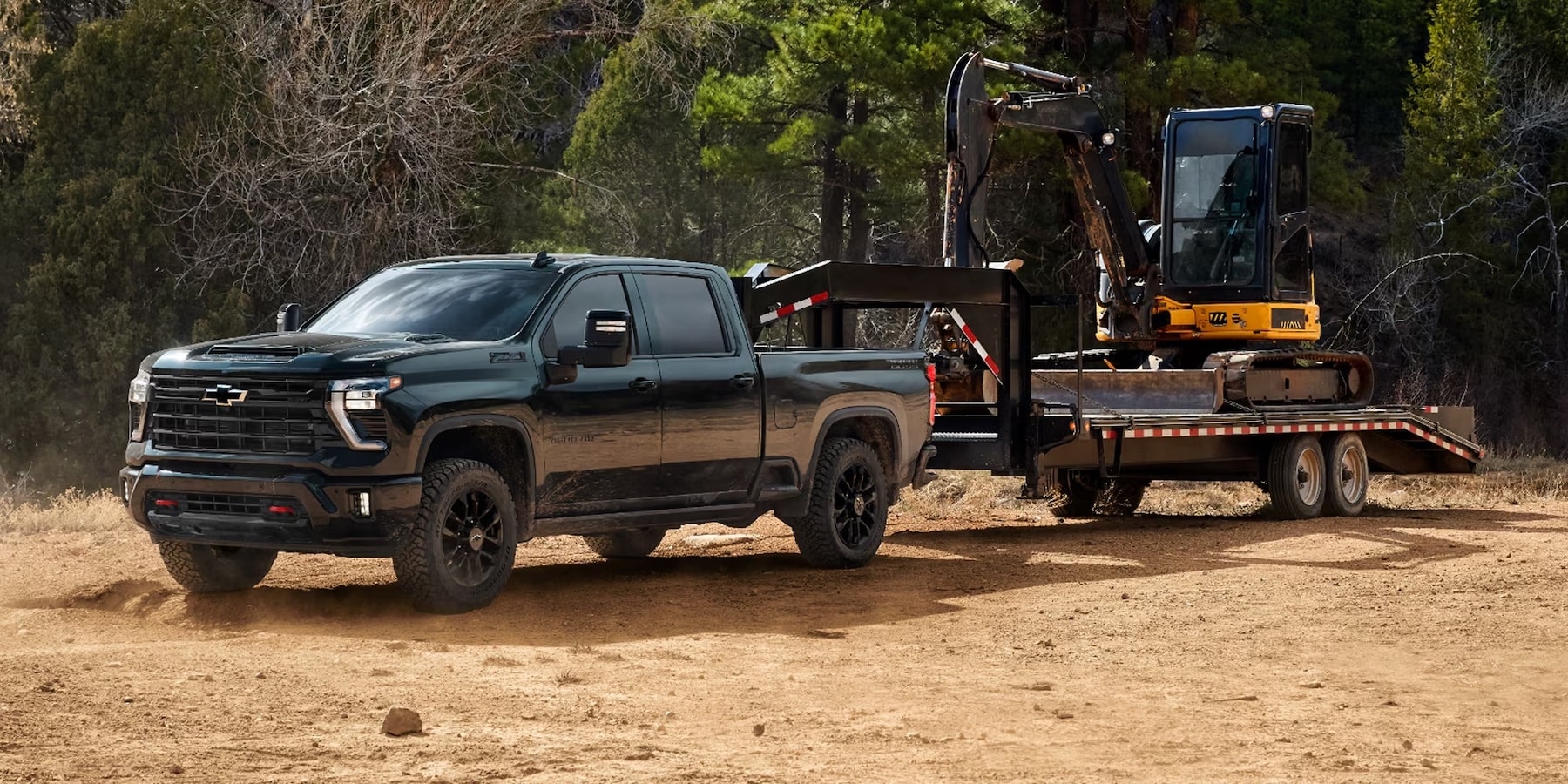
- High Desert heat reduces the temperature difference a cooling system relies on, making radiator efficiency and airflow especially important.
- Towing creates sustained engine and transmission heat, which is why auxiliary coolers and heavy-duty radiators matter for Chevy trucks.
- Routine cooling system maintenance helps protect performance when driving, hauling, or towing in hot Victorville conditions.
Towing a loaded trailer through the Mojave in July is nothing like cruising a mild highway on a pleasant afternoon. The engine works harder, ambient temperatures push everything closer to its limits, and the margin for error shrinks fast. That's exactly why Chevrolet cooling systems carry far more engineering depth than most drivers ever consider. At Victorville Chevrolet, we work with High Desert drivers every day, and we've seen firsthand how the right cooling configuration makes a real difference when temperatures climb. Understanding how these systems actually work helps you make smarter buying decisions and take better care of what you already own.
Why High Desert Heat Creates a Different Kind of Cooling Challenge
The High Desert region around Victorville regularly sees summer temperatures hit 110°F or higher. At those ambient levels, the basic physics of heat exchange shift in a meaningful way. A cooling system sheds heat by exploiting the temperature difference between engine coolant and the outside air passing through the radiator. When that outside air is already scorching, the differential shrinks and the system has to work significantly harder just to hold normal operating range.
For trucks and SUVs that regularly haul or tow in this environment, the challenge compounds quickly. You're asking a system to manage brutal ambient heat while simultaneously handling the increased thermal load of a working engine. Chevrolet engineers this scenario directly into their truck and SUV development process. If you'd like to discuss cooling system maintenance for your current vehicle, our service center is staffed by factory-certified technicians who know these platforms inside and out.
What Happens Inside Your Engine When You Tow in Extreme Heat
When your truck tows a heavy load, the engine produces significantly more combustion energy than it does during normal driving. Combustion chamber temperatures during heavy towing can reach up to 3,600°F, and the cooling system is responsible for managing roughly 30% of that total heat energy. In mild conditions, the system handles this naturally. In extreme heat with sustained grades or slow traffic, thermal demand can escalate faster than the system can release it.
How Engine Load Drives Sustained Temperature Spikes
The key word is sustained. A quick burst of hard acceleration creates a short-term heat spike that coolant absorbs and the radiator sheds relatively quickly. Towing is different. The engine stays at high load for extended periods, and climbing a long grade at highway speed while pulling a loaded trailer keeps combustion events frequent and intense. Coolant temperature climbs continuously rather than peaking and recovering.
A larger coolant volume gives the system more thermal mass to absorb heat before temperatures reach critical levels. It buys the radiator more time to shed that heat before coolant cycles back through the engine, and on the long sustained pulls common to High Desert driving, that's a meaningful advantage.
Transmission Heat Bleed-Over and Why Auxiliary Coolers Matter
The transmission is easy to overlook in cooling conversations, but it generates its own substantial heat load during towing. Automatic transmissions work harder under load, and that heat has to go somewhere. In most Chevy trucks and SUVs, the transmission uses a fluid cooler integrated with or separate from the main radiator circuit. When both systems are working hard simultaneously, heat management becomes a balancing act across multiple components.
Higher tow-rated Chevrolet trucks often include auxiliary transmission coolers as part of the towing package for exactly this reason. These standalone coolers prevent transmission fluid temperatures from bleeding thermal energy back into the primary cooling loop. If you're buying a truck specifically for towing in hot climates, confirming whether the trim level includes this component is a practical step that pays off on long hauls.
How Chevrolet Engineers Cooling Systems for Trucks and SUVs
Chevrolet doesn't build one cooling setup and scale it across the entire lineup. Each platform gets a cooling architecture matched to its intended performance envelope. The components that make up a tow-ready Chevy truck are calibrated specifically for high-demand scenarios, and the differences between base configurations and towing packages reflect real engineering choices rather than marketing tiers.
Heavy-Duty Radiators, Expanded Capacity, and Fan Calibration
The radiator is the heart of any cooling system. In heavy-duty Chevrolet applications, the radiator core uses a multi-row design with high-efficiency cores and more fins per square inch to maximize surface area for heat exchange. More surface area means more opportunity to shed heat with every pass of ambient air, which makes a measurable difference when that ambient air is already at triple-digit temperatures.
Electric cooling fans respond to coolant temperature sensors and can run at full speed even at idle. This is critical in stop-and-go traffic during towing, where airflow through the grille drops to near zero while heat production stays high. The fan fills that gap directly. For towing-focused buyers, the Max Trailering Package is a factory option that upgrades both the radiator and transmission cooler beyond the base specification. It's worth asking about specifically when comparing trim levels.
ECU Temperature Mapping: How the System Manages Heat Automatically
Modern Chevy trucks don't rely solely on mechanical components to manage heat. The ECU continuously monitors coolant temperature, intake air temperature, oil temperature, and transmission fluid temperature, adjusting fueling, ignition timing, and fan speed in real time. The ECU's target management window for normal operating temperature is typically 195â220°F, and the system works proactively to keep temperatures within that range.
When sensors detect coolant temperature trending upward under sustained load, the ECU can adjust combustion parameters to reduce heat production slightly, sometimes sacrificing a small amount of peak power to protect long-term system health. These adjustments happen automatically throughout every demanding drive.
What Chevy Buyers Should Look for in a Tow-Ready Cooling System
If you're purchasing a Chevy truck or SUV with the intent to tow regularly in hot climates, the cooling system configuration deserves real attention during the buying process. Not all trim levels or packages include the same cooling capabilities, and those differences show up clearly when you're pulling a trailer through the High Desert in August.
The most important items to verify are the maximum tow rating and whether the truck includes a dedicated engine oil cooler, an auxiliary transmission cooler, and a heavy-duty radiator. These components are typically bundled with trailering packages, and our team can confirm exactly what's included in a specific unit. A truck rated for over 11,000 pounds will have a fundamentally different cooling architecture than one rated for 6,000 pounds, even when both share the same engine family.
The table below compares cooling configurations across common Silverado 1500 engine options to help frame those decisions.
| Engine | Cooling Capacity | Radiator Type | Transmission Cooler | Max Tow Rating | Fan Type |
|---|---|---|---|---|---|
| 5.3L EcoTec3 V8 (standard) | Standard | Single-row | Integrated | Up to 11,500 lbs | Electric |
| 5.3L EcoTec3 V8 (Max Trailering Package) | Heavy-duty | Multi-row, high-efficiency core | Auxiliary (standalone) | Up to 11,400 lbs | Electric |
| 6.2L EcoTec3 V8 (Max Trailering Package) | Heavy-duty | Multi-row, high-efficiency core | Auxiliary (standalone) | Up to 13,200 lbs | Electric |
If you'd like a hands-on walkthrough of which Silverado configurations include these upgrades, contact our team and we'll walk you through the options before you set foot on the lot.
Warning Signs Your Cooling System Is Struggling on Hot or Loaded Drives
Catching early warning signs keeps minor issues from becoming expensive repairs. Watch for these indicators during or after demanding drives:
- A temperature gauge climbing higher than usual during a familiar route, especially with cargo or a trailer attached.
- A coolant reservoir level that drops between checks. Chevrolet cooling systems are closed loops, so low levels indicate coolant is escaping somewhere.
- A sweet smell from the engine bay after a hot drive, which can signal coolant leaking onto hot surfaces.
- Steam or visible coolant near hose connections after shutting down.
- Reduced power on long grades, which can indicate a sticking thermostat restricting coolant flow.
- Overheating at idle despite normal highway temperatures, which often points to a clogged condenser or reduced fan performance.
None of these automatically mean catastrophic failure, but each is worth investigating promptly rather than ignoring.
Maintenance Habits That Keep Performance Consistent in Hot Climates
In a climate like the High Desert's, maintenance intervals that feel conservative elsewhere become genuinely important. Coolant degrades over time, losing both heat transfer efficiency and corrosion inhibitor properties. Old coolant can accelerate corrosion inside the block and radiator, compromising the long-term integrity of the components the system depends on.
Chevrolet specifies DEX-COOL coolant, which carries a flush interval of every 150,000 miles or 5 years, whichever comes first, under normal conditions. In High Desert driving with frequent towing, staying on that schedule rather than stretching it is the right call. Checking hoses and clamps annually for signs of cracking or softening is equally important. Heat cycles accelerate rubber degradation, and a hose failure on a hot highway with a trailer attached is a worst-case scenario that regular inspection prevents.
The radiator cap controls the system's pressure rating, and a failing cap can allow coolant to boil at lower temperatures than the system is designed to handle. Keeping the front of the radiator clear of debris, bugs, and road film also matters more than most drivers realize. A layer of accumulated grime acts as insulation and quietly reduces heat transfer over time.
Talk to Victorville Chevrolet About Trucks Built for This Climate
Find the Right Towing Configuration
At Victorville Chevrolet, we understand exactly what High Desert driving demands from a vehicle's cooling system because we're in the same heat every day. We maintain a broad selection of Silverado trims and towing packages, and our team can walk you through which configurations include the heavy-duty cooling components that matter for local conditions.
Schedule Service or Start a Conversation
Our service department employs factory-certified technicians who work specifically on Chevrolet vehicles. Whether you need a cooling system inspection, a DEX-COOL flush, or a diagnosis of why the temperature gauge is running warmer than usual, our service center stocks genuine OEM components to ensure repairs are done correctly.
Ready to Find Your Truck?
If you're ready to discuss towing-ready Silverado or SUV options and find the right fit for High Desert conditions, contact Victorville Chevrolet today to get started or schedule a test drive.
Frequently Asked Questions
Why does High Desert heat make towing harder on a Chevy cooling system?
High ambient temperatures reduce the temperature difference between engine coolant and outside air, so the radiator and fans have to work harder to release heat while the engine is already under load.
What cooling components should I look for in a tow-ready Chevy truck?
Key items include a heavy-duty radiator, dedicated engine oil cooler, auxiliary transmission cooler, and the correct trailering package for the load you plan to tow.
How often should DEX-COOL coolant be flushed?
Chevrolet specifies DEX-COOL coolant with a normal flush interval of every 150,000 miles or 5 years, whichever comes first. In hot climates with frequent towing, staying on schedule is especially important.
Categories:
Towing